


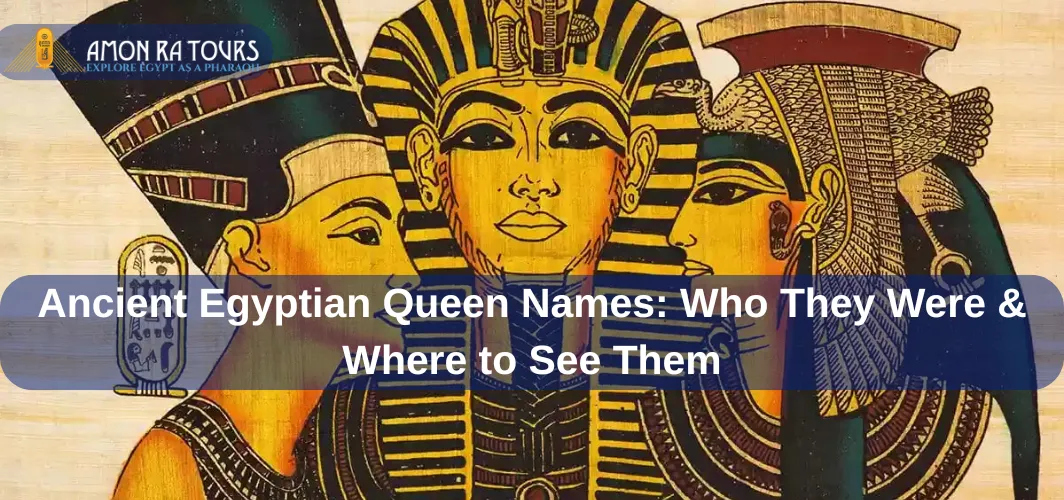
Ancient Egyptian queen names weren’t just titles; they were declarations of divine power, beauty, and destiny. Every royal name connected queens to gods like Ra, Isis, Hathor, and Neith, proclaiming their right to rule alongside pharaohs.
For over 3,000 years, these names echoed through temples and tombs, carried by women who shaped Egypt’s greatest dynasties. From Nefertiti (“The Beautiful One Has Come”) to Hatshepsut (“Foremost of Noble Women”), each ancient Egyptian queen’s name tells a story of power, wisdom, and eternal legacy.
What you’ll learn:
- The most famous ancient Egyptian queen names and their meanings
- How queens chose their royal names
- Which queens became pharaohs
- Where to see the monuments of these legendary women
What Do Ancient Egyptian Queen Names Mean?
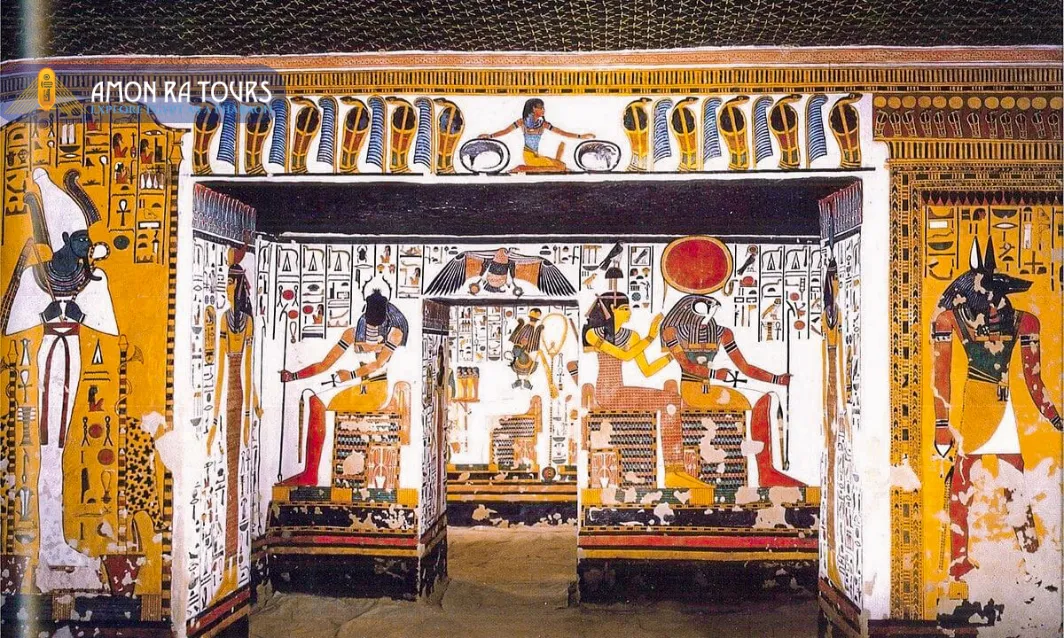
Ancient Egyptian queen names carried specific meanings that declared a queen’s divine connection, role, and destiny. Unlike modern names chosen for sound or family tradition, Egyptian royal names were carefully crafted declarations of power.
How Ancient Egyptian Queen Names Were Structured
Name elements included:
- Divine references: Names honored specific gods (Nefertiti = Beautiful for Aten, Nefertari = Beautiful for Ra)
- Royal attributes: Names proclaimed beauty, power, or wisdom (Hatshepsut = Foremost of Noble Women)
- Divine satisfaction: Names declared gods were pleased (Neithhotep = Neith is Satisfied)
- Protective elements: Names invoked divine protection for the kingdom
Why meanings mattered: Speaking a queen’s name invoked her divine essence and legitimized her authority. These weren’t just identifiers; they were spiritual proclamations that connected queens to cosmic order.
Who Were the Most Famous Ancient Egyptian Queens?
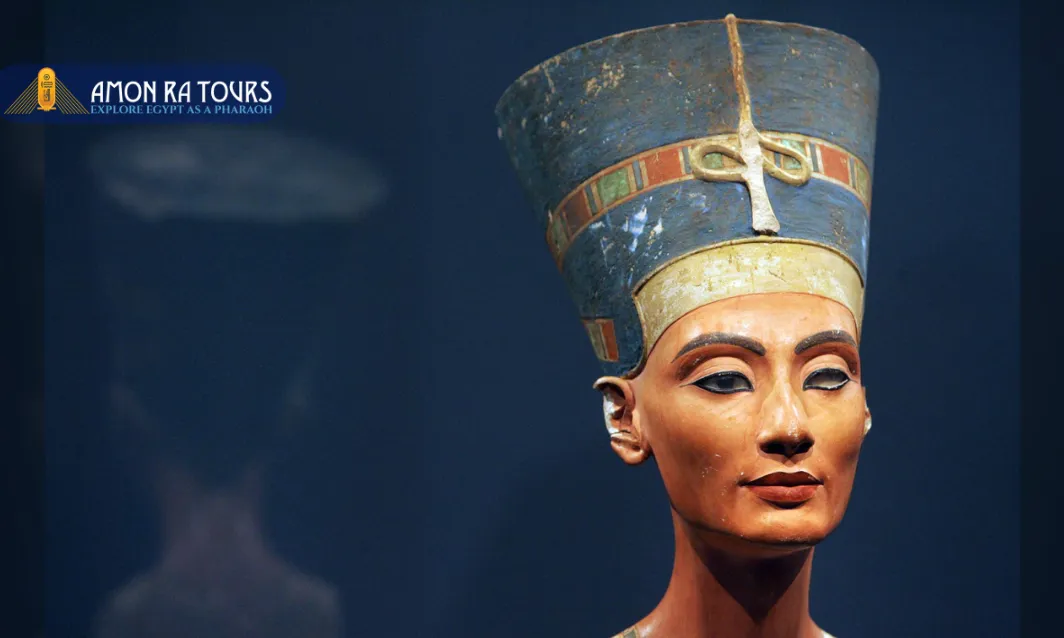
1. Nefertiti (1370-1330 BCE)
Name meaning: “The Beautiful One Has Come”
Why her name matters: Nefertiti’s name proclaimed her arrival as a divine gift of beauty. As Great Royal Wife of Pharaoh Akhenaten, she supported Egypt’s most dramatic religious revolution, abandoning traditional gods for monotheistic worship of Aten (the sun disk).
Her power: Artistic depictions show Nefertiti with the same scale and authority as the pharaoh, unprecedented for Egyptian queens. Some scholars believe she ruled as pharaoh after Akhenaten’s death under the name Neferneferuaten.
Her legacy: The famous 1912 limestone bust discovery made her the most recognizable ancient Egyptian queen. Her name became synonymous with beauty and power.
Where to see her: Egyptian Museum, Cairo (bust moved to Neues Museum Berlin), Grand Egyptian Museum (artifacts)
2. Hatshepsut (1479-1458 BCE)
Name meaning: “Foremost of Noble Women”
Why her name matters: Hatshepsut’s name proved prophetic; she became ancient Egypt’s most successful female pharaoh, ruling for 22 years with prosperity and architectural brilliance.
Her power: Initially regent for stepson Thutmose III, she gradually assumed full pharaonic authority, wearing the traditional false beard and adopting male royal titles. She commissioned magnificent building projects, including the Deir el-Bahari temple.
Her challenge: After her death, Thutmose III systematically erased her name and image from monuments, attempting to remove her from history. Modern archaeology restored her legacy.
Where to see her: Deir el-Bahari Temple (Luxor), Metropolitan Museum of Art (statues), NMEC Cairo (mummy)
3. Cleopatra VII (69-30 BCE)
Name meaning: “Glory of the Father”
Why her name matters: As the last active pharaoh of ancient Egypt, Cleopatra embodied the glory of Ptolemaic heritage while ending 3,000 years of pharaonic tradition.
Her power: Spoke 9 languages, highly educated, politically brilliant. Maintained Egyptian independence for 20 years through strategic alliances with Julius Caesar and Mark Antony. Contrary to myth, she was renowned more for intelligence than beauty.
Her legacy: Her 30 BCE death marked Egypt’s fall to Rome, ending the pharaonic era. Yet her name transcended history, becoming synonymous with feminine power and tragic romance.
Where to see her: Bibliotheca Alexandrina (artifacts), Temple of Dendera (cartouches), British Museum (coins with her image)
4. Nefertari (1295-1255 BCE)
Name meaning: “Beautiful Companion” or “Most Beautiful”
Why her name matters: Nefertari lived up to her name as Ramesses II’s most beloved wife. Her husband’s devotion immortalized her in temples and art, treating her as a goddess among mortals.
Her power: Corresponded with foreign queens in diplomatic letters, demonstrating her international political role. Ramesses II built her a temple at Abu Simbel, where she appears alongside gods as a divine figure.
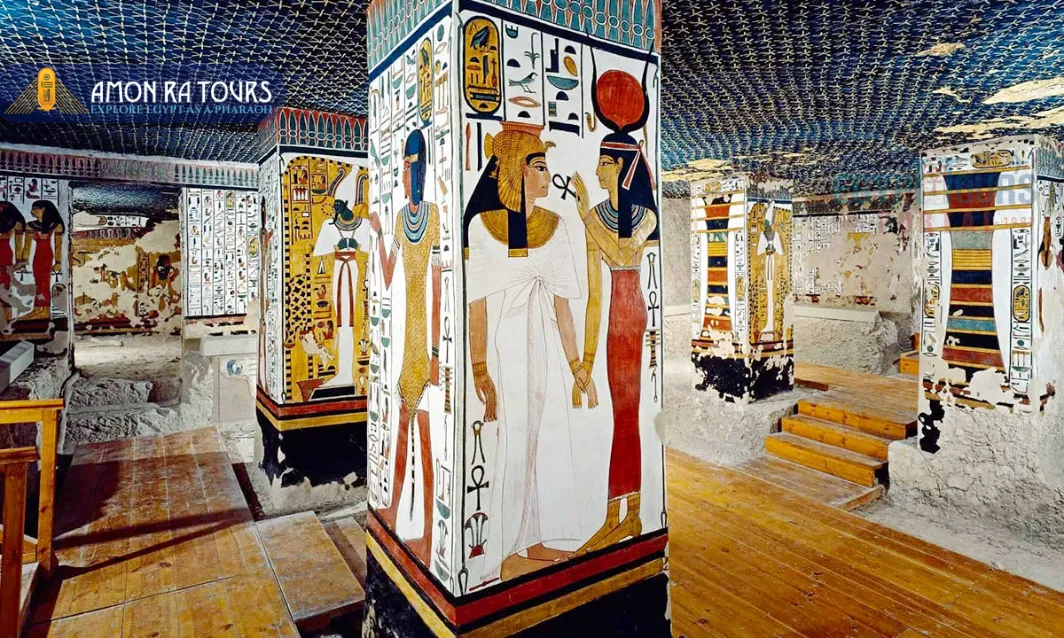
Her legacy: Her Valley of Queens tomb (QV66) contains ancient Egypt’s most beautiful wall paintings, depicting her afterlife journey with exquisite detail.
Where to see her: Abu Simbel Temple, Valley of Queens Tomb QV66 (Luxor)
5. Queen Tiye (1398-1338 BCE)
Name meaning: “She of the Diadem”
Why her name matters: Born to non-royal parents, Tiye’s elevation proved that merit could transcend bloodlines. Her name proclaimed her crowned status despite common origins.
Her power: As Great Royal Wife of Amenhotep III and mother of Akhenaten, she wielded remarkable influence. Foreign correspondence addressed letters directly to her, recognizing her political authority.
Her legacy: DNA analysis identified her mummy, revealing a woman who maintained power into her 50s, influencing her son’s revolutionary religious reforms.
Where to see her: NMEC Cairo (mummy), Egyptian Museum (artifacts)
What Are Lesser-Known Ancient Egyptian Queen Names?
Early Dynasty Queens (2920-2345 BCE)
Queen Merneith (c. 2920 BCE)
- Name meaning: “Beloved of Neith”
- Significance: Possibly Egypt’s first female ruler, her tomb at Abydos contained royal treasures usually reserved for pharaohs
- Divine connection: Named for Neith, goddess of war and wisdom
Queen Neithhotep (c. 2920 BCE)
- Name meaning: “Neith is Satisfied”
- Significance: Wife of Narmer (who unified Egypt), helped establish the religious foundations of the kingdom
- Legacy: First recorded Egyptian queen
Queen Nitocris (c. 2184 BCE)
- Name meaning: “Neith is Excellent”
- Significance: Ancient historians described her as the last pharaoh of the Sixth Dynasty, ruling with wisdom and vengeance
- Mystery: Modern scholars debate whether she actually existed or was mythologized
Middle Kingdom Queens (1991-1802 BCE)
Queen Sobekneferu (1806-1802 BCE)
- Name meaning: “Beauty of Sobek”
- Significance: Egypt’s first definitively confirmed female pharaoh ruled in her own right for 4 years
- Innovation: Adopted full pharaonic regalia, including false beard and uraeus serpent
- Divine connection: Named for Sobek, crocodile god of Nile fertility
New Kingdom Queens (1550-1077 BCE)
Queen Ankhesenamun (1348-1324 BCE)
- Name meaning: “She Lives for Amun”
- Original name: Ankhesenpaaten (“She Lives for Aten”)
- Significance: Daughter of Akhenaten, wife of Tutankhamun. Changed name when religious orthodoxy was restored
- Tragedy: Bore two stillborn daughters, wrote a desperate letter to the Hittite king requesting a husband after Tutankhamun’s death
Queen Twosret (1191-1189 BCE)
- Name meaning: “Powerful is the Daughter of Ra”
- Significance: One of Egypt’s last great female pharaohs, who ruled at the end of the Nineteenth Dynasty
- Power: Initially regent, later claimed full pharaonic authority, and maintained stability during political uncertainty
How Did Ancient Egyptian Queens Become Pharaohs?
Not all ancient Egyptian queens ruled as pharaohs; most served as “Great Royal Wife” supporting their husband’s reign. However, several queens successfully claimed full pharaonic authority:
Paths to Pharaonic Power
- Regency Transition
- Process: Queen serves as regent for young son or stepson, gradually assumes full authority
- Examples: Hatshepsut (regent for Thutmose III), Twosret (regent for Siptah)
- Why it worked: Regents already held administrative power, making the transition smoother
- End of Dynasty
- Process: No male heirs available, queen assumes throne to maintain continuity
- Examples: Sobekneferu (ended 12th Dynasty), Nitocris (possibly ended 6th Dynasty)
- Why it worked: Preserving the dynasty was more important than gender rules
- Royal Marriage and Alliance
- Process: Strategic marriages with foreign powers or internal alliances
- Example: Cleopatra VII (co-ruled with brothers, then allied with Rome)
- Why it worked: Political necessity outweighed traditional succession
Legitimization tactics female pharaohs used:
- Adopted full male pharaonic titles and regalia
- Wore a false beard in official depictions
- Emphasized divine birth and god-given authority
- Commissioned propaganda showing themselves performing pharaonic duties
- Built temples and monuments proving their piety and power
What Role Did Gods Play in Ancient Egyptian Queen Names?
Ancient Egyptian queen names almost always referenced specific deities, creating divine legitimacy for their rule.
Most Common Goddesses in Queen Names
Neith (Goddess of War, Wisdom, Weaving)
- Queens named for her: Merneith, Neithhotep, Nitocris
- Why chosen: Neith was both warrior and mother figure, representing complete feminine power
- Significance: Linking to Neith, declared queens were both protectors and nurturers
Ra (Sun God, Supreme Deity)
- Queens named for him: Nefertari, Twosret
- Why chosen: Ra represented supreme cosmic power and pharaonic legitimacy
- Significance: These names proclaimed queens as Ra’s earthly representatives
Hathor (Goddess of Love, Beauty, Music)
- Queens named for her: Various queens adopted Hathor associations
- Why chosen: Hathor represented ideal feminine qualities, beauty, fertility, joy
- Significance: Queens embodying Hathor brought divine harmony to the kingdom
Isis (Goddess of Magic, Motherhood, Protection)
- Queens named for her: Many queens took on Isis associations later in their lives
- Why chosen: Isis was the ideal mother and wife, powerful magician, and protector of pharaohs
- Significance: Isis connections emphasized the queens’ protective role
Aten (Sun Disk, Akhenaten’s Monotheistic God)
- Queens named for him: Nefertiti, Ankhesenpaaten (before name change)
- Why chosen: During the Amarna Period, Aten replaced traditional gods
- Significance: These names showed allegiance to revolutionary religious reforms
Where Can You See Monuments of Ancient Egyptian Queens?
Luxor (Ancient Thebes)
Valley of the Queens
- Tomb of Nefertari (QV66): Most beautiful tomb in Egypt, exquisite wall paintings
- Access: Special tickets required (limited daily visitors to preserve paintings)
- Best for: Seeing ancient Egyptian queens’ afterlife beliefs
Deir el-Bahari (Hatshepsut’s Temple)
- Significance: Hatshepsut’s magnificent mortuary temple is carved into cliffs
- What to see: Terraced temple with painted reliefs showing the Punt expedition
- Best for: Understanding the female pharaoh’s architectural legacy
Karnak Temple
- Queen monuments: Various queens added to this massive complex
- What to see: Chapels, statues, and inscriptions mentioning royal women
- Best for: Seeing queens’ religious roles
Cairo
National Museum of Egyptian Civilization (NMEC)
- Royal Mummies Hall: Mummies of Hatshepsut, Queen Tiye, other royal women
- What to see: Actual preserved bodies of famous queens
Egyptian Museum (Tahrir Square)
- Queen artifacts: Jewelry, statues, funerary equipment
- What to see: Queen Tiye’s artifacts, various royal women’s treasures
Grand Egyptian Museum (GEM)
- Nefertiti artifacts: Items from the Amarna Period
- What to see: Akhenaten and Nefertiti’s revolutionary art style
- Status: Fully open with complete collections
Aswan & Abu Simbel
Abu Simbel Temples
- Nefertari’s Temple: Small temple dedicated to Nefertari and Hathor
- What to see: Giant statues of Nefertari (rare, queens are usually depicted smaller than pharaohs)
- Access: Flight from Aswan (45 min) or dawn convoy (3.5 hours)
Philae Temple
- Goddess Isis’ focus: Temple dedicated to the goddess who represented ideal queenship
- Connection: Shows divine feminine power that queens embodied
- Access: Boat ride from Aswan marina
Alexandria
Bibliotheca Alexandrina
- Cleopatra artifacts: Coins, statues, historical exhibits
- What to see: The Last Pharaoh’s reign and the Ptolemaic Dynasty
- Context: Cleopatra’s capital city
Underwater archaeology sites
- Cleopatra’s palace complex: Submerged in Alexandria harbor
- Access: Specialized diving tours (not regular tourism)
- Significance: Ongoing excavations reveal discoveries
How to Plan Your Ancient Egyptian Queens Tour
3-Day Queens-Focused Itinerary (Luxor Only)
Day 1: Valley of the Queens & Hatshepsut
- Morning: Deir el-Bahari (Hatshepsut’s Temple)
- Afternoon: Valley of Queens (Nefertari’s tomb if available)
- Time needed: 6-7 hours total
Day 2: Karnak & Luxor Temples
- Morning: Karnak Temple (queen chapels and inscriptions)
- Late afternoon: Luxor Temple (various queen additions)
- Time needed: 6-7 hours total
Day 3: West Bank tombs
- Morning: Additional Valley of Queens tombs
- Afternoon: Medinet Habu or other West Bank sites
- Time needed: 5-6 hours
7-Day Complete Queens Tour (Cairo + Luxor + Aswan)
Cairo (2 days)
- NMEC Royal Mummies Hall (see Hatshepsut, Tiye mummies)
- Egyptian Museum (Queen’s artifacts)
- Grand Egyptian Museum (Nefertiti era)
Luxor (3 days)
- Valley of Queens (Nefertari tomb)
- Deir el-Bahari (Hatshepsut temple)
- Karnak/Luxor temples
Aswan/Abu Simbel (2 days)
- Abu Simbel temples (Nefertari’s temple)
- Philae Temple (Isis worship)
- Travel day
Conclusion
Ancient Egyptian queen names carry 3,000 years of power, beauty, and divine authority. From Nefertiti’s revolutionary beauty to Hatshepsut’s prophetic greatness, from Nefertari’s beloved companionship to Cleopatra’s glorious end, these names tell stories of women who shaped civilization.
Why choose Amon Ra Tours for your queen’s journey:
Expert Egyptologists: Our licensed guides explain hieroglyphics, decode queen names, and reveal hidden stories in temple inscriptions
Strategic itineraries: Visit Valley of Queens, Deir el-Bahari, NMEC Royal Mummies Hall, and Abu Simbel, paced for understanding, not rushing
Complete story: Connect the queens’ monuments (Luxor) with their mummies (Cairo) and their divine temples (Aswan)
Book your Ancient Egyptian Queens Heritage Tour and walk where Nefertiti, Hatshepsut, and Nefertari shaped history.
7 Days Cairo & Nile Cruise by Flight
FAQ
What does Nefertiti’s name mean?
Nefertiti means “The Beautiful One Has Come.” Her name proclaimed her arrival as a divine gift of beauty. As the wife of Akhenaten, she supported revolutionary worship of Aten (sun disk) and may have ruled as pharaoh after his death.
What is the meaning of Hatshepsut’s name?
Hatshepsut means “Foremost of Noble Women.” Her name proved prophetic; she became ancient Egypt’s most successful female pharaoh, ruling for 22 years with unprecedented prosperity.
How many ancient Egyptian queens became pharaohs?
At least 7 ancient Egyptian queens are confirmed to have ruled with full pharaonic authority:
- Merneith (possibly, c. 2920 BCE)
- Nitocris (possibly, c. 2184 BCE)
- Sobekneferu (1806-1802 BCE)
- Hatshepsut (1479-1458 BCE)
- Nefertiti (possibly as Neferneferuaten, 1340s BCE)
- Twosret (1191-1189 BCE)
- Cleopatra VII (51-30 BCE)
Many other queens wielded significant power as regents or Great Royal Wives without claiming pharaonic titles.
Who was the first Egyptian queen?
Queen Neithhotep (c. 2920 BCE) was the first recorded Egyptian queen, wife of Narmer who unified Egypt. However, Queen Merneith may have been the first woman to rule as pharaoh, with archaeological evidence suggesting she held supreme authority.
Why did some queens change their names?
Queens changed names for religious or political reasons:
- Ankhesenpaaten became Ankhesenamun: Changed from honoring Aten to honoring Amun when traditional religion was restored after Akhenaten’s death
- Political marriages: Some queens adopted new names when marrying pharaohs
- Assuming the pharaoh role: Female pharaohs sometimes adopted additional throne names
Did Cleopatra speak Egyptian?
Yes. Cleopatra VII was the first Ptolemaic ruler in 300 years to learn the Egyptian language. She reportedly spoke 9 languages total, including Greek (her native language), Egyptian, Hebrew, Aramaic, and others. This linguistic skill gave her a unique connection to the Egyptian people and priests.
Can you visit ancient Egyptian queens’ tombs?
Yes, but with limitations:
- Valley of Queens (Luxor): Several tombs open, including some periods when Nefertari’s QV66 is accessible (special ticket required, limited daily visitors)
- Best time: November-February (cooler weather)
🌟 Start Your Egyptian Adventure
Complete the form and let us create your perfect travel experience