


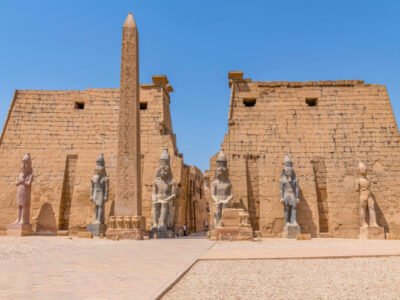
Luxor Temple was built by Amenhotep III (1390–1352 BC) and Ramses II (1279–1213 BC). It is in the middle of Luxor. The Southern Sanctuary was an important part of Egypt's Opet festival when the three most important gods from Karnak were brought back together during the flooding of Luxor.
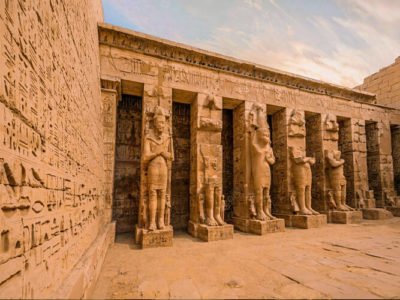
The Temple of Medinet Habu, one of Egypt's most important memorial temples, is in Luxor. It is 320 meters long from east to west and about 200 meters wide (north to south). After Ramses III died, the new king had a temple built to honor him. A big wall made of mud bricks goes all the way around the temple.
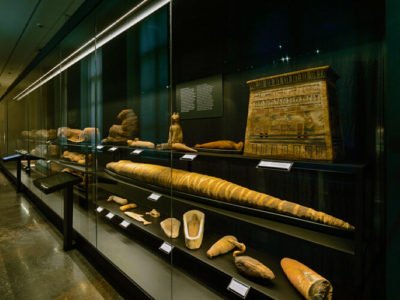
The Mummification Museum, which opened in 1997 and is right next to the beautiful Museum of Luxor, was only made to teach people about mummification. One goal of the book is to show how ancient Egyptians said goodbye to their dead and made sure they were safe on their way to the afterlife.
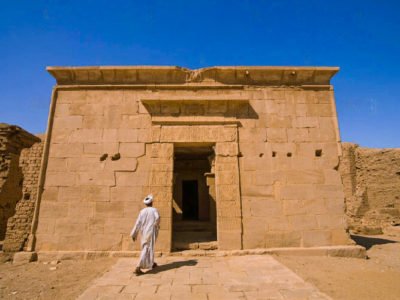
Even though the Ptolemaic Temple of Deir El-Medina Workman's is not as impressive as the Valley of the Kings, many people who visit Luxor (which used to be called Thebes) stop by the village for a few minutes before going to the Valley of the Kings to see two or more tombs.
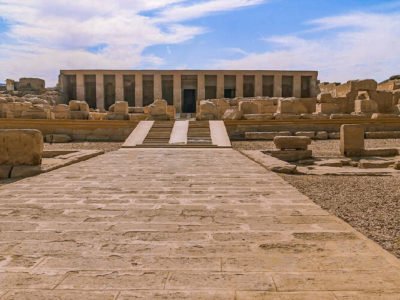
The Temple of Seti I is the biggest and most important of all the temples that were built in this area. Seti I was the father of the famous pharaoh Ramesses II, who finished most of the temple after his father died.