



Planning a trip to Egypt in February? You’ve picked one of the best months to visit. While Europe freezes and North America digs out from snow, Egypt hits that perfect weather sweet spot, warm enough for comfortable exploring, cool enough that you won’t melt at the Pyramids.
But here’s what most travel blogs won’t tell you: February isn’t uniform across Egypt. Sharm El Sheikh will feel like summer, while Cairo evenings can surprise you with their chill. The crowds are real (it’s peak season), but so are the rewards.
After guiding thousands of travelers through Egypt in February, we’ve learned exactly which destinations deliver and which disappoint. This guide cuts through the noise.
Quick Answer: Best Places to Visit in Egypt in February
Top 5 Destinations for February:
- Luxor & Aswan → Best weather, fewer crowds than Cairo, temple perfection
- Cairo & Giza → Comfortable sightseeing temperatures, all major sites accessible
- Sharm El Sheikh → Warmest water temps, peak diving season
- Nile River Cruise → Ideal cruising weather, spectacular views
- Siwa Oasis → Mild desert weather, unique cultural immersion
Bottom line: Southern Egypt (Luxor, Aswan) gives you the hottest temperatures and best outdoor conditions. Northern coastal areas (Alexandria) stay cooler but still pleasant. Red Sea resorts hit the perfect beach-weather balance.
Is February a Good Time to Go to Egypt?
Let’s be direct: Yes, February is excellent for Egypt, but it comes with trade-offs.
Why February Works
Weather Wins:
- You’ll actually enjoy being outside. Summer in Egypt (May-September) is brutal, with 40°C+ regularly. February maxes out around 20-25°C in most places.
- Temple exploring becomes pleasant, not punishing. Standing in the Valley of the Kings at noon in summer? Miserable. In February? Comfortable.
- Sunrise hot air balloon rides over Luxor won’t leave you melting before 7 AM.
Practical Advantages:
- Everything is open and operating normally (unlike some shoulder season closures)
- Tour guides are in full swing, not burned out yet
- Flight availability is good, though prices reflect peak season
- You’ll see Egypt at its most alive; locals are out, markets are buzzing
The Real Trade-Offs
Crowds are legitimate. February sits in peak season (November-March). The Pyramids of Giza, Abu Simbel at sunrise, and the Khan el-Khalili bazaar will be packed. Not “Disney World in July” packed, but you’ll share the space.
Prices climb. Hotels in Luxor and Aswan can cost 30-40% more than April or October. Nile cruises get pricey. If budget matters, this isn’t your month, unless you book far ahead.
Evenings get chilly. This catches people off guard. Cairo and Alexandria after sunset can drop to 10-12°C. You’ll want layers, not just t-shirts.
Desert trips need preparation. White Desert camping in February is doable but cold at night (near freezing). Siwa Oasis is perfect, but western desert adventures require proper gear.
Our take after 15 years: February ranks in our top three months for Egypt (alongside March and November). The weather advantage outweighs the crowd factor if you book smart and time your visits strategically.
Egypt Weather in February: City-by-City Breakdown
Temperature matters more than you think when planning Egypt. Here’s what you’ll actually experience.
Cairo & Giza Weather in February
Average Temperatures:
- Daytime highs: 19-21°C
- Evening lows: 10-12°C
- Feels-like: Comfortable mornings, warm afternoons, chilly evenings
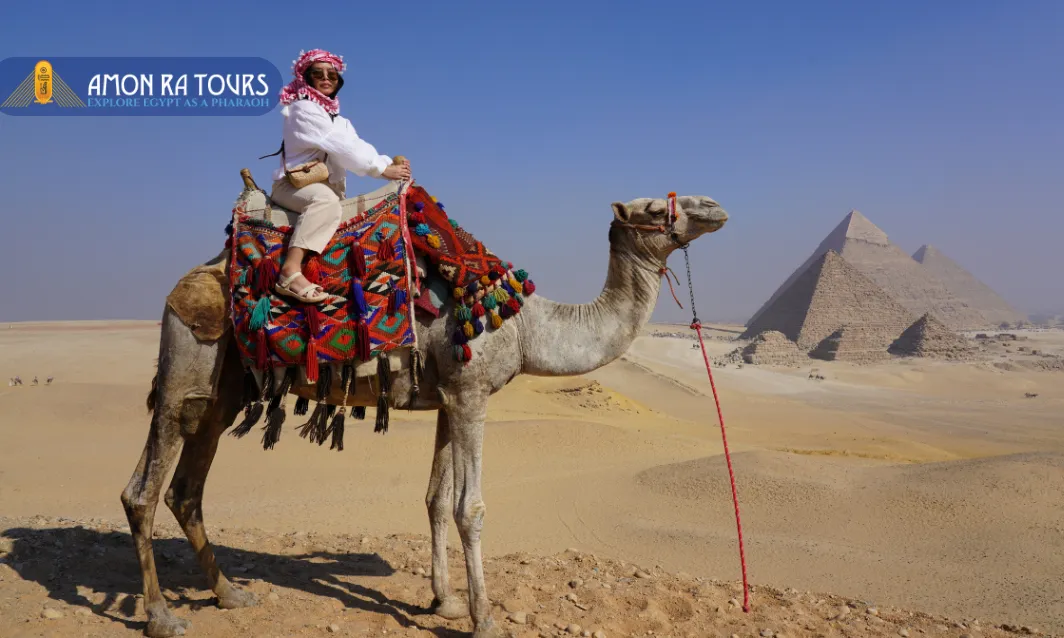
What This Means for You: Visiting the Pyramids in February is ideal. You’ll tour comfortably without the summer sweat factor. But here’s the catch: mornings at the Pyramids (the best time for photos and fewer crowds) can feel cold until 9 AM.
Bring a light jacket for early starts. By noon, you’ll be in short sleeves. Come 6 PM, that jacket comes back out.
Rain is rare but possible; Cairo gets 3-5 rainy days in February. Not enough to ruin plans, but pack a compact umbrella.
Best for: Historical site touring, museum visits, walking tours
Luxor Temperature in February
Average Temperatures:
- Daytime highs: 23-25°C
- Evening lows: 8-10°C
- Feels-like: Pleasantly warm days, surprisingly cool nights
Why Luxor Wins February: This is Egypt’s sweet spot for the month. Warm enough for comfortable outdoor exploring, but you won’t roast inside Karnak Temple or the Valley of the Kings tombs.
Hot air balloon rides (a Luxor must-do) launch at 5-6 AM when temperatures hover around 8-10°C. You’ll be cold during setup but comfortable once airborne at sunrise.
Temperature swings are dramatic, 25°C at 2 PM and 10°C by 8 PM. Pack accordingly.
Best for: Temple touring, hot air ballooning, felucca sailing, photography
Aswan Weather in February
Average Temperatures:
- Daytime highs: 24-26°C
- Evening lows: 10-13°C
- Feels-like: Genuinely warm days, mild evenings
The Hottest Part of Egypt in February: Aswan consistently runs 2-4°C warmer than Luxor, making it Egypt’s warmest major destination in February. This matters if you’re sensitive to cold or want maximum warmth.
The Nile here feels almost tropical during the day. Felucca rides, temple visits, and Nubian village tours all benefit from this extra warmth.
Abu Simbel (3 hours south of Aswan) runs even hotter, perfect for the sunrise visit that most tours do.
Best for: Nile cruising, temple exploring, travelers seeking the warmest weather
Weather in Egypt in February: Sharm El Sheikh
Average Temperatures:
- Daytime highs: 21-23°C
- Evening lows: 15-17°C
- Water temperature: 21-22°C
- Feels-like: Mild beach weather, comfortable swimming
Red Sea Reality Check: Sharm El Sheikh in February isn’t “hot beach weather” by tropical standards. It’s pleasant. You’ll swim comfortably and sunbathe happily, but you might want a rashguard for long snorkeling sessions.
Wind matters here. Sharm can get breezy in February, making beach days feel cooler than the thermometer suggests. Protected bays (Naama Bay) work better than exposed beaches.
Diving and Snorkeling Conditions: Water visibility peaks in February, often at 30+ meters. Fish activity is excellent. Water temperature requires a 3mm wetsuit minimum; most divers go 5mm for comfort on multiple dives.
This is genuinely one of the best months for Red Sea diving; crowds are moderate, conditions are pristine, and water temps are tolerable.
Best for: Diving, snorkeling, beach relaxation, water sports
Egypt Weather February: Hurghada
Average Temperatures:
- Daytime highs: 22-24°C
- Evening lows: 14-16°C
- Water temperature: 21-22°C
- Feels-like: Similar to Sharm, slightly warmer water
Hurghada vs. Sharm in February: Nearly identical conditions. Hurghada gets marginally less wind, making beach days slightly more comfortable. The diving is equally excellent; Giftun Island, Makadi Bay, and El Gouna all deliver.
Hurghada town itself is less scenic than Sharm (more sprawling, less dramatic landscape), but resort areas like Sahl Hasheesh and Makadi Bay are beautiful.
Best for: Beach holidays, diving courses, family resorts, Red Sea access
Alexandria Weather in February
Average Temperatures:
- Daytime highs: 18-20°C (64-68°F)
- Evening lows: 11-13°C (52-55°F)
- Feels-like: Mediterranean climate, occasionally damp
The Mediterranean Difference: Alexandria feels European in February, cool, sometimes cloudy, occasionally rainy. This is Egypt’s wettest city (still only 5-7 rainy days in February), and the Mediterranean wind can make it feel colder than Cairo despite similar temperatures.
Beach activities don’t work here in February. But historical touring, seafood restaurants, and coastal walks are excellent.
Best for: Historical sightseeing, food tours, escaping heat (not a February concern)
What to Wear in Egypt in February: Practical Packing Guide
Most packing lists for Egypt are generic and useless. Here’s what actually works, based on real February conditions.
Essential Layers System
Mornings (5 AM – 9 AM): Cold Layer
- Light fleece or windbreaker
- Long pants or comfortable jeans
- Closed-toe shoes
- Light scarf (doubles as sun protection later)
Why this matters: Early morning temple visits, sunrise experiences, and hot air balloon rides start when it’s genuinely cold. Tourists in shorts at 6 AM at Abu Simbel are miserable.
Midday (10 AM – 4 PM): Warm Layer
- Breathable t-shirts or light long-sleeves
- Comfortable shorts or light pants
- Sunglasses (essential)
- Sun hat with brim
Reality check: By 11 AM, you’ll be warm. Inside temple complexes, you’ll be hot. Breathable, light-colored fabrics matter more than you think.
Evening (5 PM onwards): Cool Layer
- Light jacket or cardigan
- Long pants
- Closed shoes
- Scarf for women (useful in mosques anyway)
Temperature drops are sharp. That comfortable 24°C afternoon becomes a 12°C evening quickly. Restaurant patios, Nile dinner cruises, and evening walks require layers.
Activity-Specific Packing
For Historical Site Touring:
- Comfortable walking shoes (you’ll walk 10-15km some days)
- Daypack for water/snacks
For Red Sea Resorts:
- Swimwear (2+ sets)
- Beach cover-up
- Water shoes (reef protection)
For Nile Cruises:
- Smart casual for dinners
- Comfortable day clothes for shore excursions
- Warmer evening layer for deck time
For Desert Adventures:
- Thermal layer for cold nights
- Dust protection (scarf, sunglasses)
- Sturdy boots for hiking
- Warmer sleeping bag than you’d expect
What You Don’t Need
- Excessive formal wear (Egypt is casual)
- Tank tops only (you’ll be cold evenings)
- Flip-flops as the only footwear (too much walking)
Top 5 Best Places to Visit in Egypt in February
1. Luxor & the Valley of the Kings
Why February is Perfect Here:
Luxor in February offers Egypt’s best combination of weather, experience quality, and activity diversity. The temperature sits in that ideal zone, warm enough for outdoor comfort, cool enough that temple exploring doesn’t exhaust you.
What Makes Luxor Special:
The concentration of ancient sites is unmatched anywhere on Earth. Within 10 km, you’ll find the Valley of the Kings (63 discovered tombs), Karnak Temple (the world’s largest ancient religious site), Luxor Temple, Hatshepsut’s Temple, and countless other monuments.
February timing matters because summer heat makes tomb exploration genuinely difficult; underground spaces reach 35°C+. Winter allows you to appreciate the details without rushing for air conditioning.
Must-Do Experiences:
Hot Air Balloon Ride at Sunrise Launch over the West Bank at dawn, floating above the Valley of the Kings, Hatshepsut’s Temple, and the Nile. This is Egypt’s most spectacular aerial view. February mornings are crisp but calm, ideal ballooning conditions.
Insider tip: Book with operators who limit basket capacity (12-16 people max). Oversized baskets (20+) kill the experience.
Valley of the Kings Private Visit Standard tours rush you through 3 tombs in 45 minutes. That’s criminal. Budget 3-4 hours, hire an Egyptologist guide, and visit 6-8 tombs, including Seti I or Ramses VI (extra ticket, worth every pound).
February crowds arrive 9-10 AM. Get there at the 8 AM opening, and you’ll often have tombs to yourself for 30-45 minutes.
Karnak Temple at Sunset. Everyone photographs Karnak during harsh midday light. Smart visitors arrive at 4 PM when crowds thin and golden hour light transforms the Great Hypostyle Hall into something otherworldly.
Practical Details:
- Minimum recommended stay: 3 nights (ideally 4)
- Base location: East Bank hotels (Nile views, better restaurants)
- Transportation: Private driver beats taxis (set rates, reliable, better vehicles)
- Crowds: Moderate to heavy; strategic timing matters
2. Aswan & Abu Simbel
Why Aswan Excels in February:
Aswan offers Egypt’s warmest February weather, plus a completely different atmosphere from Cairo or Luxor. This is Nubian Egypt, more African than Arab, more colorful, and more relaxed.
The Nile here is stunning. Islands dot the river, feluccas sail constantly, and the light has a quality photographers dream about.
Top Experiences:
Abu Simbel Sunrise Visit Mosttours bus takes you to Abu Simbel for a rushed 1.5-hour visit. This misses the point entirely. Abu Simbel at sunrise, when light first hits Ramses II’s colossal statues, is transformative.
The site opens at 6 AM. Arrive by 5:45 AM, watch the sunrise illuminate the facade, then explore before tour buses arrive at 8 AM. You’ll need private transport (3-hour drive from Aswan), but the experience is worth the early start.
February 22: The Sun Festival at Abu Simbel (Don’t Miss This)
Here’s something most Egypt guides won’t tell you: February 22nd is one of only two days each year when the sun performs ancient magic at Abu Simbel.
What Actually Happens:
At approximately 6:00 AM on February 22nd (and October 22nd), sunlight penetrates 65 meters deep into Abu Simbel’s inner sanctuary. For about 20 minutes, the sun illuminates three of the four statues in the holy of holies: Ramses II, Ra-Horakhty (sun god), and Amun-Ra. The fourth statue, Ptah, god of darkness, remains in shadow, exactly as ancient architects designed 3,300 years ago.
This isn’t accidental. Ramses II’s architects engineered this solar alignment to coincide with his coronation and birthday. The precision required, accounting for the Nile’s seasonal levels, temple orientation, and solar movement, demonstrates engineering brilliance that still stuns modern scientists.
Why You Should Attend:
This ranks among Egypt’s most spectacular phenomena. The chamber fills with golden light, illuminating the statues while hundreds of witnesses watch in silence. It’s spiritual, surreal, and genuinely moving, even if you’re not typically moved by ancient sites.
Practical Information for February 22nd:
Timing is critical:
- Gates open 5:00 AM (earlier than normal)
- Sun alignment occurs approximately 6:00-6:20 AM
- Best viewing positions fill by 5:30 AM
Getting there:
- Fly from Aswan to Abu Simbel (30-minute flight, limited seats, book months ahead)
- Private car from Aswan (leave 2:30 AM, arrive 5:30 AM)
- Tour bus convoy (leaves 3:30-4:00 AM, arrives with crowds)
What to bring:
- Warm layers (desert at 5 AM is cold, 8-10°C)
- Camera (tripods not allowed inside)
- Water and snacks (limited facilities)
Booking strategy: If you’re traveling to Egypt in mid-to-late February, build your entire itinerary around being in Aswan on February 21st. Overnight in Aswan, arrange transport the night before, and prepare for an early but unforgettable morning.
Hotels in Aswan fill weeks ahead for February 21st. Abu Simbel tours on the 22nd book out 2-3 months in advance. Don’t assume you can arrange this last minute.
Is it worth the effort?
Absolutely. This is one of those rare travel experiences where the hype matches reality. The alignment itself lasts 20 minutes, but the memory lasts forever. If your Egypt trip coincides with February 22nd and you skip Abu Simbel, you’ll regret it.
Philae Temple by Boat Philae sits on an island, accessible only by motorboat. The temple complex, dedicated to Isis, is beautifully preserved. February afternoons here are perfect: warm sun, cool breeze off the water, and stunning Nile scenery.
The Sound & Light Show (evening) works better here than at Karnak or Giza. The island setting adds drama.
Nubian Village Visit Tourism has somewhat commercialized Nubian village tours, but they still offer genuine cultural insight. The brightly painted houses, Nubian language, unique architecture, and hospitality are real.
Visit smaller villages (Seheil Island over Gharb Soheil) for more authentic experiences. Share tea with families, learn about Nubian history, and support the local economy directly.
Felucca Sailing Feluccas (traditional wooden sailboats) are Aswan’s signature experience. Afternoon sailing from 4-6 PM catches the best light and comfortable temperatures. Circle Elephantine Island, drift past the Tombs of the Nobles, and experience the Nile as Egyptians have for millennia.
Practical Details:
- Minimum recommended stay: 2 nights (3 if including Abu Simbel overnight)
- Base location: Corniche-area hotels (river views, central location)
- Crowds: Lighter than Cairo/Luxor, better overall experience
- Combine with: Nile cruise to/from Luxor
3. Cairo & Giza: The Pyramids Experience
February Advantages in Cairo:
Cairo gets brutally hot in summer, 38-42°C regularly. February’s 19-21°C makes pyramid climbing, museum marathons, and city exploring actually enjoyable.
The Pyramids of Giza benefit enormously from cooler weather. You’ll photograph better (softer light, less haze), walk more comfortably, and actually appreciate the scale without heat exhaustion.
Essential Cairo Experiences:
The Pyramids of Giza, Timing Strategy: Giza opens at 8 AM. Here’s the reality: tour buses arrive 9-10 AM. The site becomes a zoo by 10:30 AM.
Arrive at the 8 AM opening. Enter the Great Pyramid immediately (limited daily tickets, sold first-come-first-served). Explore the complex before crowds swell. By 11 AM, retreat to your hotel and visit Islamic Cairo or the Grand Egyptian Museum in the afternoon.
Alternative strategy: Late afternoon (after 3 PM) sees crowds thin. Light improves for photography. Winter sunset around 5:30 PM creates beautiful pyramid photos.
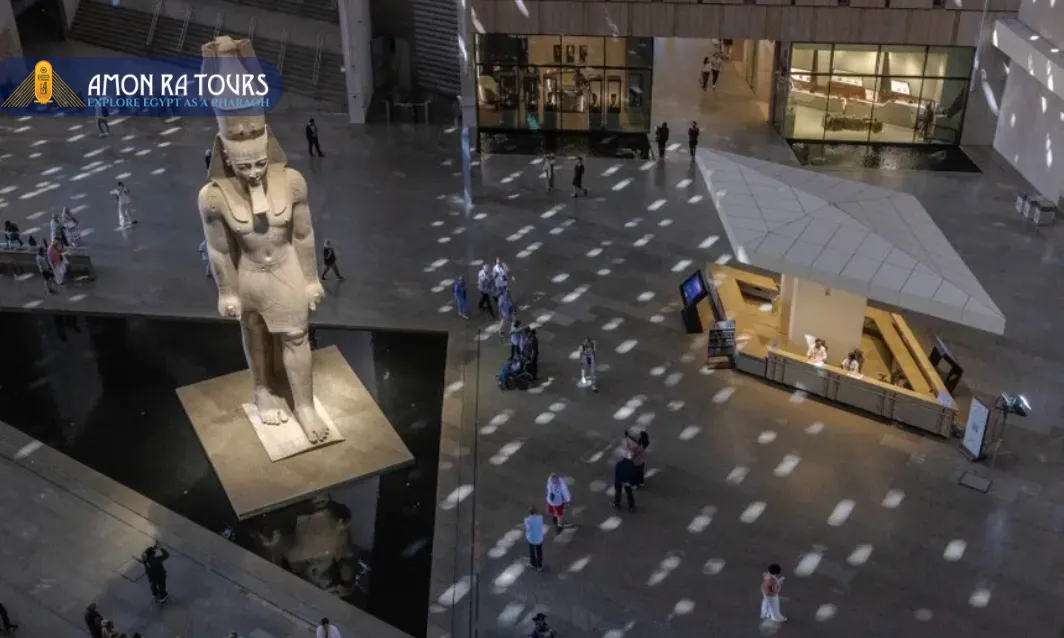
The Grand Egyptian Museum (GEM) Scheduled to be fully open by early 2026, GEM is becoming Egypt’s premier museum experience. The Tutankhamun collection (5,000+ artifacts, including the solid gold coffin) will be displayed complete for the first time.
Budget 4-6 hours minimum. The scale is massive; think Louvre-sized, specifically for Egyptian artifacts.
Islamic Cairo Walking Tour The old city, Al-Muizz Street, Khan el-Khalili, Al-Azhar Mosque, and medieval gates deserve half a day minimum. February temperatures make the walking pleasant rather than exhausting.
Go with an expert guide who knows the history and architecture and can navigate you into lesser-known mosques and courtyards. The difference between guided and self-touring here is night and day.
Saqqara & Dahshur Often skipped, these pyramid fields south of Giza are equally fascinating and far less crowded. The Bent Pyramid at Dahshur and the Step Pyramid at Saqqara show pyramid evolution. You can often explore with minimal crowds.
Combined day trip: Saqqara → Dahshur → Memphis (ancient capital ruins). Budget 6-7 hours.
Practical Details:
- Minimum recommended stay: 4 nights (ideally 5)
- Transportation: Private driver/guide essential (traffic + navigation = chaos)
- Crowds: Heavy at major sites; strategic timing crucial
4. Sharm El Sheikh: Red Sea Diving Paradise
Why February Works for Sharm:
Water visibility peaks in February, 30+ meters regularly. Fish activity is excellent. Tourist crowds are moderate (busy but not summer-insane). Diving conditions are pristine.
If you’re diving-focused, February ranks as Sharm’s best month alongside March and November.
Top Sharm Activities:
World-Class Diving Sharm accesses some of the world’s best dive sites: Ras Mohammed National Park, the Thistlegorm wreck, the Straits of Tiran, Shark Reef, and Yolanda Reef.
February conditions are ideal: clear water, good marine life, manageable currents, and comfortable temperatures (with a proper wetsuit).
Daily boat trips run to Ras Mohammed (Egypt’s premier dive park). Two-tank dives include spectacular wall dives, drift dives, and reef systems teeming with fish.
Certification courses: PADI Open Water takes 3-4 days. February is perfect for learning, with calm conditions, good visibility, and experienced instructors.
Snorkeling: Non-divers aren’t excluded. Sharm’s reefs are accessible from shore at many locations. Ras Um Sid, Sharks Bay, and Nabq Protected Area all offer excellent snorkeling.
Boat snorkeling trips to Ras Mohammed or Tiran give access to pristine reefs without certification requirements.
Desert Adventures from Sharm: Quad biking, camel rides, and Bedouin dinner experiences in the desert are popular. The Colored Canyon day trip (2 hours north) offers spectacular rock formations and hiking.
St. Catherine’s Monastery and Mount Sinai climbing are doable as an overnight trip, though February nights are cold at altitude.
Practical Details:
- Minimum recommended stay: 4-5 nights (diving needs time)
- Crowds: Moderate, resort areas are busy but manageable
5. Nile River Cruise: Luxor to Aswan
Why February is Prime Cruising Season:
Nile cruising in February offers Egypt’s best combination of weather, scenery, and experience quality. The river is at comfortable levels, temperatures are ideal for deck time, and the landscape is at its greenest.
How Nile Cruises Actually Work:
Most cruises run 3-4 nights between Luxor and Aswan (or the reverse), stopping at temples en route: Edfu, Kom Ombo, and sometimes Esna. You sail during meals and overnight, moor at temples for touring, and enjoy sunset sailing.
February advantages: comfortable deck temperatures, excellent sunset viewing, and pleasant shore excursions.
What Good Cruises Include:
- Professional Egyptologist guide (not just a cruise director)
- Temple entrance fees and guided tours
- All meals (typically buffet-style)
- Sun deck, pool, and evening entertainment
- Comfortable cabins (Nile-view essential)
Temple Stops Highlights:
Edfu Temple: The Best-preserved Ptolemaic temple in Egypt, dedicated to Horus. The completeness is remarkable.
Kom Ombo: Unique double temple (Sobek and Horus). Beautiful Nile-side location, excellent crocodile museum.
Shore excursions from these stops are included. You’ll typically have 1.5-2 hours per site, enough time with good guiding.
Practical Details:
- Ideal duration: 4 nights minimum (3 nights feels rushed)
- Direction: Either works, but Luxor → Aswan flows with the current
- Booking: 3-6 months ahead for February (peak season)
- Combine with: Extra nights in both Luxor and Aswan
Where to Go in Egypt in February for Couples
February is genuinely romantic in Egypt if you choose the right experiences. Here’s what actually works for couples versus tourist board clichés.
Romantic Experiences That Deliver
Private Nile Felucca at Sunset (Aswan or Luxor) Rent a private felucca for 2 hours around sunset. Bring a bottle of wine (legal on boats) and snacks, and watch the Nile transform as the sun sets. The silence, the wind, and the timeless landscape create genuine romance.
Hot Air Balloon Ride Over Luxor. Floating above the Valley of the Kings at sunrise with your partner is genuinely special. The silence, the scale, and the shared experience create lasting memories.
Luxury Nile Cruise Boutique Nile cruises (20-40 passengers vs. 100+ on standard boats) offer intimacy, better service, and a romantic atmosphere.
Evening deck dining, private shore excursions, and spa treatments create couple-focused experiences.
Red Sea Resort Relaxation High-end Sharm or Hurghada resorts offer couple-focused amenities: private beach areas, spa couples treatments, and romantic dinner settings.
February is warm enough for beach days without summer’s oppressive heat.
Private Pyramid Tour at Sunrise Standard pyramid touring with crowds isn’t romantic. Private early morning access (arranged through specialized tour operators) lets you experience Giza with minimal crowds and soft morning light.
Combined with breakfast overlooking the pyramids (several restaurants offer this), it becomes a special experience.
Couples Itinerary (10 Days)
- Days 1–2: Cairo: Private Pyramids experience + Egyptian Museum (or GEM) + romantic Nile-view dinner
- Day 3: Fly to Aswan: High Dam, Unfinished Obelisk & Philae Temple, then board the cruise
- Day 4: Nile Cruise: Kom Ombo & Edfu
- Day 5: Luxor West Bank: Valley of the Kings, Hatshepsut Temple & Colossi of Memnon (optional sunrise hot air balloon)
- Day 6: Luxor East Bank → Hurghada: Karnak & Luxor Temple, then transfer to the Red Sea
- Days 7–8: Hurghada: Beach time + snorkeling/diving + optional desert safari
- Days 9–10: Cairo: Free days with optional Old Cairo, Citadel, Nile dinner cruise, or Pyramids Sound & Light
- Day 11: Departure
If this itinerary sounds like exactly what you’re looking for, we offer a romantic Egypt itinerary for couples that combines private pyramid visits, a luxury Nile cruise, and Red Sea relaxation, perfectly timed for February travel.
Suggested Itineraries for February Trips to Egypt
First-Timer Classic (7-8 Days)
Best for: Travelers wanting major highlights efficiently
Days 1–2: Cairo: Arrival, rest, and time to adjust
Day 3: Giza & Saqqara: Early morning visit to the pyramids, Sphinx, Saqqara, and Dahshur; optional Nile dinner cruise
Days 4–5: Luxor: Karnak and Luxor temples, optional sunrise hot air balloon, Valley of the Kings and Hatshepsut Temple
Days 6–7: Red Sea: Fly to Hurghada or Sharm El Sheikh for beach time, snorkeling, or diving
Day 8: Departure: Morning flight to Cairo and international departure
If this plan fits your travel style, our classic Egypt itinerary for first-time visitors covers Cairo, the Pyramids, a Nile cruise, and Luxor with private guides and flights included, ideal for seeing Egypt’s highlights without feeling rushed.
Southern Egypt Deep Dive (8-10 Days)
Best for: History enthusiasts, photographers, slower travel
Days 1-2: Cairo
- Pyramids and essentials only
- Egyptian Museum
Days 3-5: Luxor
- Extended exploration of West Bank
- Multiple Valley of the Kings visits
- Karnak sunset photography
- Hot air balloon
- Valley of the Queens
- Nobles’ tombs
Days 6-8: Aswan
- Slower pace, deeper exploration
- Abu Simbel overnight option
- Nubian village immersion
- Extended felucca sailing
- Temple of Kom Ombo and Edfu day trips
Days 9-10: Buffer & Return
Travelers who prefer a slower pace and deeper historical focus often choose an in-depth Southern Egypt itinerary that combines extended time in Luxor and Aswan, a Nile cruise, and carefully paced sightseeing with expert Egyptologist guides.
Travel Tips for Comfortable February Exploring
Timing Your Days Strategically
Early Morning Priority Sites (arrive at opening):
- Pyramids of Giza (8 AM opening)
- Valley of the Kings (8 AM)
- Abu Simbel (6 AM for sunrise)
- Egyptian Museum (9 AM)
Late Afternoon/Sunset Sites:
- Karnak Temple (4-6 PM)
- Philae Temple (3-5 PM)
- Sahara or White Desert sunset
Midday Indoor/Rest Time:
- Museum visits (air-conditioned)
- Hotel pool time
- Lunch and siesta (Egyptian pace)
Staying Healthy in February
Water: Only bottled. This isn’t optional; tap water will ruin your trip.
Food safety: Stick to busy restaurants and hotels. Street food can be fine, but carries risk. Avoid raw vegetables unless at high-end establishments.
Sun protection: February sun is deceptive. You’ll burn at the Pyramids or on Nile cruises without realizing it. SPF 50+ daily, reapply regularly.
Hydration: The dry climate dehydrates you faster than you think. Drink 3-4 liters water daily, especially during outdoor touring.
Booking Strategies
Book 3-6 months ahead for February:
- Nile cruises (best boats sell out)
- Domestic flights (Cairo-Luxor, Cairo-Aswan, Red Sea routes)
- Hot air balloon rides (limited capacity)
- Higher-end hotels in Luxor/Aswan
What you can book last minute:
- Cairo hotels (ample availability)
- Day tours and private guides (though quality varies)
- Red Sea resort hotels
- Restaurant reservations
Working with Tour Companies
Quality indicators to look for:
- Licensed Egyptologist guides (not just tour guides)
- Private transportation (not group buses)
- Flexible itineraries (customization available)
- Transparent pricing (no hidden fees)
- Direct communication (not through third-party aggregators)
Red flags:
- “Free lunch” or heavily discounted tours (papyrus shop visits incoming)
- Non-refundable policies without trip insurance options
- Vague itineraries without specific site names
- No guide credentials provided
At Amon Ra Tours, we’ve built our reputation on transparent, expert-guided experiences that prioritize your time and interests. Our Egyptologist guides average 12+ years of experience, our vehicles are modern and air-conditioned, and we customize every itinerary to your travel style.
Is Egypt Crowded in February?
Short answer: Yes, moderately to significantly, depending on location.
Where crowds matter most:
- Pyramids of Giza: Heavy crowds 9 AM-3 PM daily
- Valley of the Kings: Moderate to heavy, especially 10 AM-1 PM
- Khan el-Khalili bazaar: Always crowded, more so in peak season
- Popular Nile cruise boats: Fully booked, large passenger counts
Where crowds are manageable:
- Aswan (generally less crowded than Luxor/Cairo)
- Abu Simbel at sunrise (arrives before tour buses)
- Red Sea dive sites (water disperses crowds naturally)
- Smaller temples (Edfu, Kom Ombo, Philae)
Crowd mitigation strategies:
- Early starts (8 AM site opening)
- Late afternoon visits (post-3 PM)
- Private guides (skip ticket lines, better positioning)
- Boutique Nile cruises (20-40 passengers vs. 100+)
- Lesser-known sites (Dahshur over Giza for alternate pyramid experience)
February crowds are real but manageable with smart planning. The weather advantages outweigh the people factor for most travelers.
Where to Skip in Egypt During February (And Where to Go Instead)
Not every destination in Egypt works well in February. Here’s the honest truth about places that disappoint during this month and better alternatives.
Skip Alexandria for Beach/Coastal Activities
Why February Doesn’t Work:
Alexandria promotes itself as a beach destination, but February weather here is Mediterranean, cool, often cloudy, and occasionally rainy. Water temperature sits at 16-18°C (too cold for comfortable swimming). Beach clubs are largely closed or operating minimally.
Tourists arrive expecting Egypt’s warmth and find something closer to southern France in winter. It’s pleasant for walking, terrible for beach days.
What to do instead:
- Visit Alexandria for culture/history only: Bibliotheca Alexandrina, Catacombs, Qaitbay Fort, seafood restaurants
- Save beach time for Red Sea resorts (4-5°C warmer water, better facilities)
- Consider Alexandria in May-October if beaches matter to you
Final Recommendations: Where Should You Actually Go?
After 15+ years guiding travelers through Egypt in every season, here’s our honest assessment for February:
Go to Egypt in February If:
✓ You want comfortable sightseeing weather without summer brutality
✓ You’re primarily interested in historical sites and cultural experiences
✓ You don’t mind moderate to heavy crowds at major sites
✓ You’re willing to pay peak-season pricing for optimal conditions
✓ You want everything open and fully operational
✓ You enjoy warm days but can handle cool evenings
Skip February If:
✗ You’re strictly budget-focused (shoulder season saves 30-40%)
✗ You hate crowds and want sites to yourself
✗ You’re expecting tropical beach weather (it’s pleasant, not hot)
✗ You’re extremely flexible on dates (March/November can be better value)
Book your experiences with experts who actually live this. Generic tour operators sell Egypt. We share Egypt. Our Egyptologist guides don’t just recite facts; they bring ancient history alive, answer your deep questions, and customize experiences to your interests.
Ready to experience Egypt done right? Let’s plan your February adventure.
FAQs
Is Egypt expensive in February?
Yes, February is more expensive than the shoulder seasons. Hotels in Luxor and Aswan can cost 30–40% more than in April or October, and Nile cruises book at premium rates. That said, you’re paying for ideal weather, full operations, and the best overall experience. Booking 3–6 months in advance helps control costs.
Is February good for a Nile cruise?
February is one of the best months of the year for a Nile cruise. Daytime temperatures are comfortable, evenings are cool but pleasant, and sightseeing at temples like Edfu and Kom Ombo is enjoyable rather than exhausting. February cruises sell out early, so advance booking is essential.
Can you swim in Egypt in February?
Yes, but mainly in the Red Sea. Water temperatures in Sharm El Sheikh and Hurghada average 21–22°C, which is comfortable for swimming, snorkeling, and diving, especially with a light wetsuit. Mediterranean beaches in Alexandria are too cold for swimming in February.
What is the warmest place in Egypt in February?
Aswan is the warmest major destination in Egypt in February, with daytime temperatures averaging 24–26°C. It’s ideal for travelers who want warmth without extreme heat and for those sensitive to cool evenings in Cairo or Luxor.
🌟 Start Your Egyptian Adventure
Complete the form and let us create your perfect travel experience