


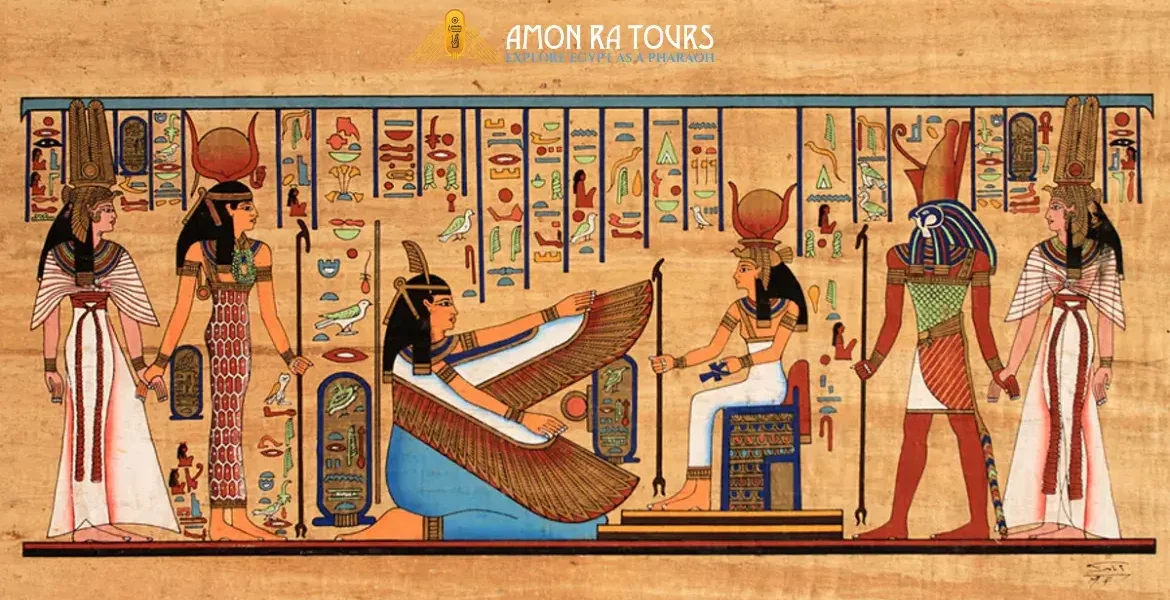
Ancient Egyptian culture and traditions reflect a civilization rich in spirituality, symbolism, and structured daily life. Rooted in areligious beliefs, Ancient Egypt culture influenced art, architecture, and social customs. From family roles to Ancient Egypt traditions like burial rituals and seasonal festivals, Egyptians upheld values of balance and eternity.
Exploring these ancient Egyptian customs reveals the depth of their worldview, answering: What is Egypt culture and traditions and why it remains influential today.
Exploring the Ancient Culture of Egypt
Exploring Ancient Egyptian culture and traditions reveals a civilization rich in traditions shaped by the Nile and spirituality:
- Life in ancient Egypt embraced harmony with nature.
- Ancient Egyptian culture and beliefs centered on unity and respect.
- Ancient Egyptian traditions and celebrations expressed deep beliefs.
- The afterlife was central to spiritual practices.
- Life in ancient Egypt food and agriculture had ceremonial value.
Read Also: When did Ancient Egypt Start and End?
The Timeless Traditions and Daily Life of Ancient Egypt
Ancient Egyptian culture and beliefs reveal a society guided by order, faith, and deep-rooted customs across all social classes:
- Ancient Egyptian traditions embraced structured daily routines.
- Ancient Egypt traditions included spiritual morning rituals and offerings.
- Women held respected roles in ancient Egyptian daily life.
- Meals in ancient Egypt were simple, seasonal, and spiritually meaningful.

Marriage in Ancient Egypt
Marriage was a cornerstone of Ancient Egyptian culture and traditions symbolizing unity, fertility, and eternal companionship:
- In Ancient Egypt culture, marriages were often based on love, mutual respect, and social convenience, with no religious ceremony required.
- Husbands and wives were depicted as equals in tomb art, indicating a partnership that extended into the afterlife.
- Dowries, inheritance laws, and family lineage were protected by well-documented contracts, preserving order in ancient Egyptian traditions and customs.
The Civil Process of Divorce in Ancient Egyptian Society
The Civil Process of Divorce in Ancient Egyptian culture highlights the organized and fair approach to separation within Ancient Egyptian culture and traditions:
- Ancient Egypt traditions allowed both spouses to initiate divorce.
- Women had rights to custody under ancient Egyptian traditions and customs.
- Ancient Egyptian traditions ensured a fair division of property.
- Divorce was documented formally in Ancient Egyptian society.
Naming Rituals in Ancient Egypt
Ancient Egypt religion reveal the deep spiritual and symbolic value of names within Ancient Egyptian culture and traditions:
- Names reflected identity and fate in Ancient Egypt traditions.
- Divine elements like “Ra” or “Amen” linked names to gods and ancient Egyptian traditions and customs.
- Names were engraved on items to ensure afterlife protection.
- These practices illustrate what is Egypt culture and traditions, tied to eternity.
Read Also: Top 30 Ancient Egyptian Symbols and their meanings
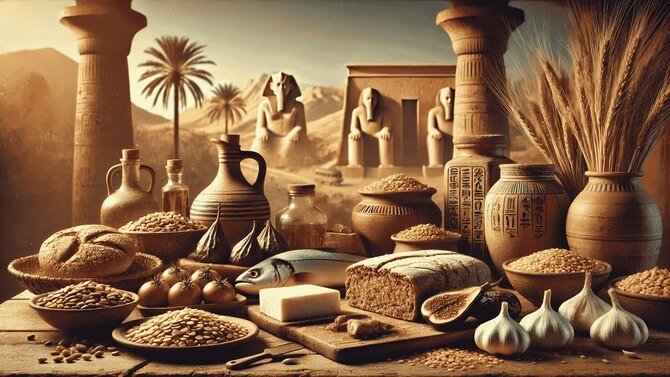
The Culinary Culture of Ancient Egypt
Traditional Egyptian Food in Ancient Egyptian culture and traditions was more than sustenance, it was a reflection of harmony with the land and divine blessing:
- Diets included bread, beer, vegetables, and occasional meat, based on the Ancient Egypt culture of balance and moderation.
- Festivals and offerings included luxurious foods meant for gods and spirits.
- Recipes were passed orally, preserving ancient Egyptian traditions and customs that honored seasonal abundance and community sharing,
Explore: Cairo Food Tour
Fashion Culture in Ancient Egypt
Clothing and adornment were significant in Ancient Egyptian culture and traditions often expressing class, piety, and profession:
- Linen garments kept people cool and clean, symbolizing purity in Ancient Egypt culture.
- Jewelry made from gold, lapis lazuli, and carnelian reflected spiritual protection and status.
- Hairstyles, wigs, and cosmetics were essential to ancient egyptian culture and beliefs, used by both genders for beauty and ritual.
Greetings, Manners & Social Codes of Ancient Egypt
Social etiquette was essential in ancient Egyptian traditions and customs. Respect was shown through speech, gestures, and titles:
- Bowing or touching the ground in respect.
- Honorifics for elders and officials.
- Community gatherings governed by protocol.
- These social codes structured everyday Life in ancient Egypt.
Music and Dance in Ancient Egypt
Music and dance were vital in religious and secular life, connecting the material and spiritual worlds in Ancient Egypt traditions:
- Instruments like lyres, harps, and flutes.
- Dances during festivals and ceremonies.
- Music in healing and funerary rites.
- They added rhythm and meaning to Ancient Egyptian traditions and celebrations.
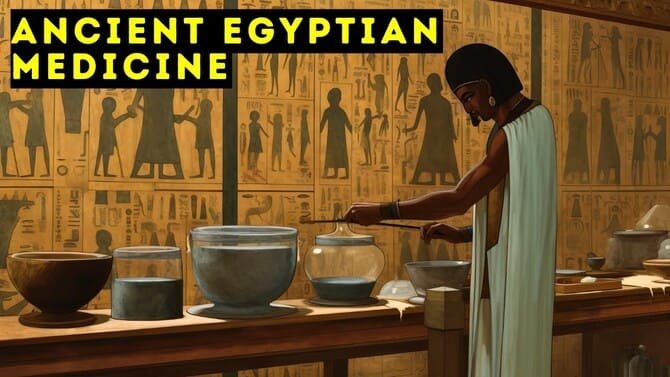
Medicine and Magic in Ancient Egypt
Healing was both science and magic in Ancient Egyptian culture and beliefs. Physicians relied on herbal remedies and divine intervention:
- Use of herbs, minerals, and rituals.
- Gods like Thoth and Sekhmet invoked for healing.
- Magic spells in medical papyri.
- This duality shows the depth of Ancient Egypt religion.
Education and Intellectual Life in Ancient Egyptian Society
Learning was crucial for scribes and priests. Knowledge transmission was central to Ancient Egyptian culture and traditions:
- Schools attached to temples.
- Instruction in writing, mathematics, and astronomy.
- Legacy of literature and wisdom texts.
- This intellectual tradition shaped Ancient Egypt History.
Agricultural Customs of Ancient Egypt
Farming defined Life in ancient Egypt. Agriculture aligned with the Nile’s cycles and held spiritual meaning:
- Seasonal planting linked to religious festivals.
- Land ownership regulated by the state.
- Offerings of produce to gods.
- These customs reflect core Ancient Egypt culture facts.
Economic Culture of Ancient Egypt
The economy was based on barter and state control. Ancient Egyptian traditions and customs governed trade and labor:
- Use of grain and goods instead of coins.
- Temples as economic hubs.
- Skilled labor organized in guilds.
- Economic practices reveal much about what is Egypt culture and traditions.
How Ancient Egyptian Culture Shaped the World
The legacy of Ancient Egyptian culture and traditions continues today. From architecture to spirituality, it influenced other civilizations:
- Adoption of Egyptian motifs in Greek and Roman art.
- Preservation of rituals in Coptic traditions.
- Continued fascination in modern media and scholarship.
- Ancient Egypt History remains vital to global heritage.
Ancient Egyptian Traditions
Ancient Egyptian traditions and celebrations were rhythmic and communal, honoring gods and nature.
- Festivals in Egypt like Opet and Wepet Renpet.
- Music, feasting, and processions.
- Symbolism in seasonal observances.
Conclusion
Ancient Egyptian culture and traditions continue to inspire and fascinate people worldwide.
At Amon Ra Tours, we are dedicated to bringing these timeless legacies to life.
Explore sacred rituals, family customs, and spiritual wisdom as you journey through Egypt’s history with us, experiencing a civilization that still resonates in the modern world.
Contact Amon Ra Tours today to explore Egypt beyond the traditional itinerary
Frequently Asked Questions
1. What was the culture of Ancient Egypt?
Ancient Egyptian culture was deeply spiritual and well-organized, centered on religion, family, art, and preparation for the afterlife. Their traditions shaped daily life and left a lasting legacy on world history.
2. What are some Ancient Egyptian practices?
Key practices included mummification, religious rituals, offerings to gods, agricultural festivals, and social customs such as marriage, inheritance, and divorce—all reflecting their belief in order and the afterlife.
3. What is the most popular culture in Egypt today?
Modern Egyptian culture blends its ancient heritage with Islamic traditions, expressed through music, food, festivals, and daily life—keeping history alive while embracing contemporary influences.
🌟 Start Your Egyptian Adventure
Complete the form and let us create your perfect travel experience