


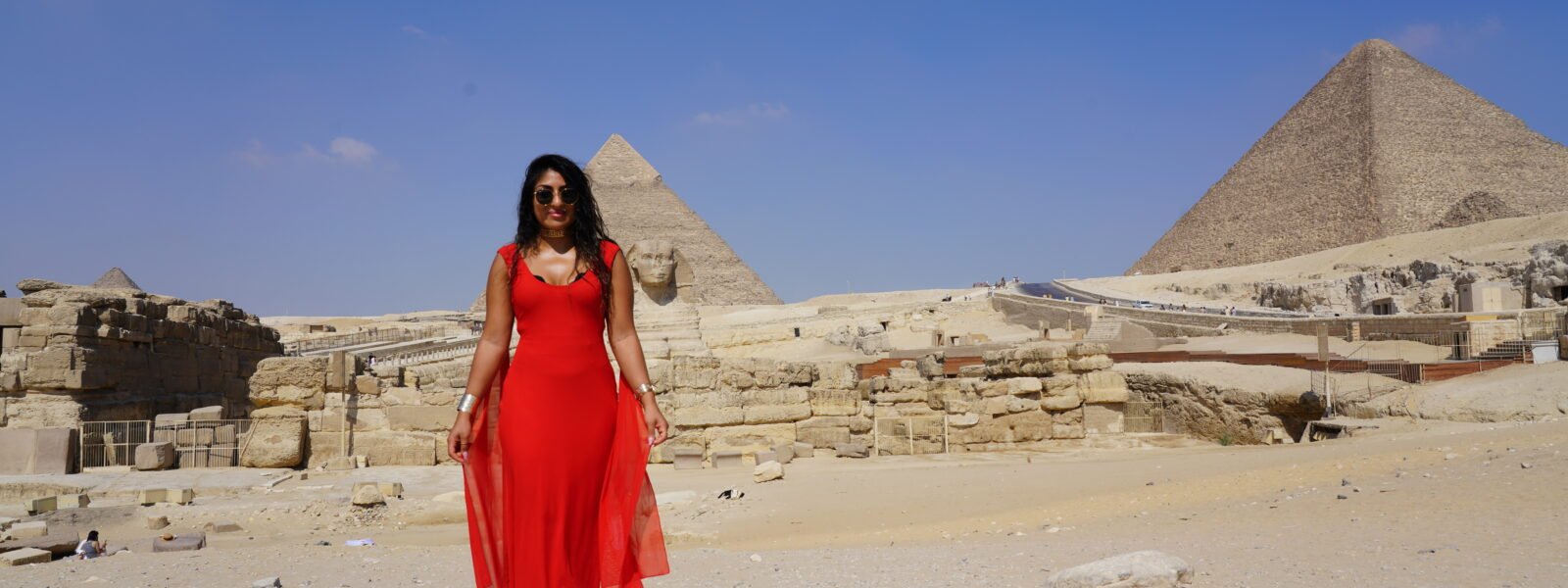
The Pyramid of Khafre, also called the Pyramid of Chephren, is an old wonder on Egypt’s Giza Plateau. This building was built during the Fourth Dynasty of the Old Kingdom of Egypt, around 2570–2544 BCE. It is a gem of architecture. The pyramid was built as a tomb for Pharaoh Khafre. It shows how skilled, creative, and powerful the ancient Egyptians were. The Pyramid of Khafre stands as a testament to ancient Egypt’s architectural brilliance and cultural significance. In this article, we’ll learn more about the Pyramid of Khafre’s history, architecture, and importance.
Experience the wonders of Egypt with all-inclusive vacation packages that allow you to explore the timeless allure of the Pyramids of Giza. Embark on a journey through history and culture with Egypt Nile cruises, where you can witness breathtaking landscapes and iconic monuments. With Amon Ra Tours, immerse yourself in Egypt’s ancient mysteries and architectural marvels, including unforgettable day tours to famous sites. From the moment you arrive, enjoy seamless airport transfers to start your adventure hassle-free. Discover the enchantment of Egypt with carefully curated tours and create memories to last a lifetime.
Plateau of Giza
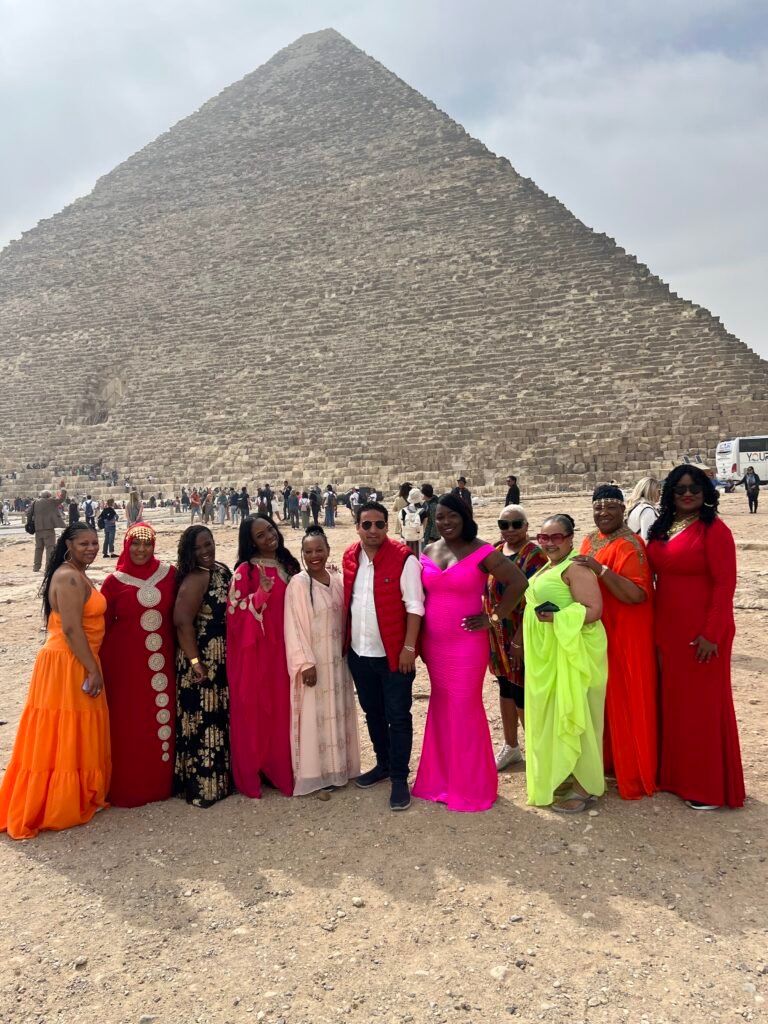
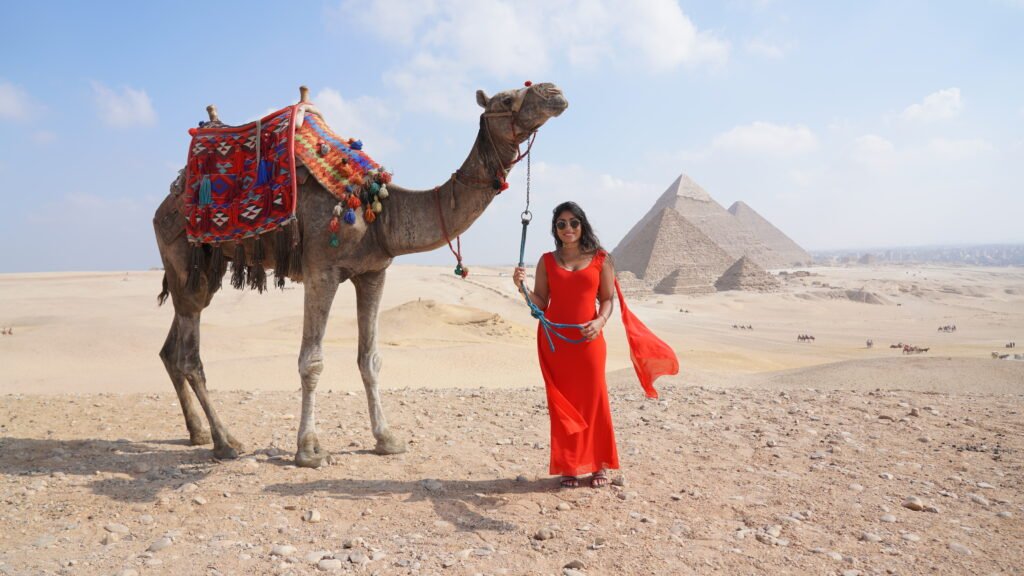
The Pyramids of Giza are three beautiful pyramids in Egypt. They are all on the Giza Plateau. The Pyramid of Khafre is one of three famous pyramids. The other two are the Pyramid of Khufu and the Pyramid of Menkaure. The oldest and biggest of the three pyramids is the Great Pyramid of Khufu, also called the Pyramid of Cheops.
It is considered one of the Seven Wonders of the Ancient World, showing how good the ancient Egyptians were at building things. The Pyramid of Menkaure is the smallest of the three, and it is known for having a unique form and being built with great skill. Together, these pyramids make up a fantastic complex that continues to impress and inspire people worldwide.
Don’t pass to Check out our tours
- Half-Day Tour to Pyramids of Giza
- Pyramids Giza, Saqqara, and Dahshur Day Tour
The Pharaoh Khafre: An Insight into the Ruler’s Life
Khafre, also called Chephren, was the fourth king of Egypt during the Fourth Dynasty. After his father, Pharaoh Khufu, built the Great Pyramid of Giza, he took over as king. Khafre was a respected pharaoh who ruled Egypt for about 26 years. He was known for his strong leadership and his services to Egyptian society.
Construction of the Pyramid: From Quarry to Monument
To build the Pyramid of Khafre, a lot of planning, work, and resources were needed. The builders carefully chose a spot on the Giza Plateau and used limestone from nearby areas to build the pyramid’s core. The huge stones were moved and placed carefully to make today’s famous shape.
Don’t miss Checking out our tour of The Pyramids Photo Session Tour.
Architectural Features: The Structure and Design
1. The Base and Foundation
The base of the Pyramid of Khafre is square, and each side is about 215 meters (705 feet) long. The workers carefully leveled the ground so the building would have a strong base. To keep the structure stable and avoid problems, the base had to be laid with great care.
2. The Entrance Passages
The pyramid has two entrances on its north side: one in the face of the pyramid, about 11 meters up, and a second one cut into the bedrock below it. Both lead down sloping passages to a horizontal corridor and the burial chamber. Unlike the Great Pyramid, Khafre’s pyramid has no ascending passages or Grand Gallery.
3. The Burial Chamber
The burial chamber is cut into the bedrock beneath the center of the pyramid and roofed with huge gabled limestone beams. It still holds Khafre’s red granite sarcophagus, sunk into the floor. When the Italian explorer Giovanni Belzoni entered it in 1818, it had already been robbed in antiquity.
4. The Sphinx and the Causeway
The Great Sphinx is a huge limestone statue next to the Khafre Pyramid. It looks like a mythical creature with a lion’s body and a human’s head. A stone causeway links the pyramid’s mortuary temple to Khafre’s Valley Temple, right beside the Sphinx, which most Egyptologists believe was carved for Khafre.

Check out
- Pyramids Giza, Saqqara, and Dahshur Day Tour
- Sound and Light Show Tour at Giza Pyramids with Dinner
Symbolism and Religious Significance
1. The Divine Connection: Pharaoh as a Deity
In ancient Egypt, people thought pharaohs were gods because they were close to them. Pyramids, like the Pyramid of Khafre, were built to show that the king was a god and to connect the world of the living to the world of the dead. The pyramid’s tall shape represented the pharaoh’s journey to heaven after death.
2. Funerary Rituals and Afterlife Beliefs
Ancient Egyptians believed in an afterlife and had a lot of complicated funeral customs. The Pyramid of Khafre was an important part of both. The pyramid was a safe and holy place for the pharaoh’s mummified body. It was filled with treasures and offerings that the ruler would need on his trip to the afterlife.
3. Alignment with Celestial Bodies
Ancient Egyptians knew a lot about the stars and planets, and the design of the Pyramid of Khafre shows how well they understood them. The fact that the pyramid is lined up with some stars and the cardinal points shows a link between the earthly and heavenly worlds.

Historical Significance: Understanding the Pyramid’s Role
1. The Great Pyramids of Giza
The Great Pyramid of Khufu, the Pyramid of Menkaure, and the Pyramid of Khafre are the three most famous pyramids in Giza. Together, these buildings are the best examples of ancient Egyptian design, and people worldwide continue to be amazed and inspired by them.
2. Preservation and Restoration Efforts
Time, weather, and people have all caused problems for the Pyramid of Khafre over the years. But ongoing efforts to preserve and fix up this cultural treasure are meant to keep it safe for future generations. Modern tools and methods keep the pyramid’s structure in good shape.
3. Tourism and Cultural Impact
Every year, millions of people visit the Pyramid of Khafre, a big part of Egypt’s tourism business. People come worldwide to see this old wonder and learn more about Egypt’s rich history and culture. The pyramid’s appeal goes far beyond its physical appearance. It captures people’s minds and helps them understand other cultures.
Theories and Mysteries: Unraveling Ancient Secrets
1. The Missing Capstone
One exciting thing about the Pyramid of Khafre is that its original top is no longer there. Theories and guesses abound about what the missing top was for and what it was made of. Some say it could have been made of valuable materials or as a sign of the pharaoh’s divinity. What makes Khafre’s pyramid special is that its top still keeps part of the original smooth white limestone casing, the only one of the three Giza pyramids to do so.
2. The Lower Passage and Subsidiary Chamber
The lower entrance leads to a small side chamber cut into the rock. Its purpose is still debated: it may have been a store room, or part of an earlier plan for the burial chamber.
3. Advanced Construction Techniques
The exact building methods used to build the Pyramid of Khafre are still exciting and up for discussion. The fact that the Egyptians could make things with such fantastic accuracy without using modern tools or machines shows how smart and careful they were as engineers.
Conclusion
The amazing Pyramid of Khafre is a great example of how smart and skilled the ancient Egyptians were. People from all walks of life are still amazed and fascinated by its size, symbols, and holy meaning. As a symbol of culture and a work of art, the pyramid is a link to Egypt’s long past and a window into the beliefs and achievements of an ancient society.
Related FAQs to The Pyramid of Khafre
Q1. Can visitors enter the Pyramid of Khafre?
A: People can go inside the Pyramid of Khafre but only through the descending tunnel and into the burial chamber. The public can’t use the passageways that lead up for safety reasons.
Q2. How tall is the Pyramid of Khafre?
A: The original height of the Pyramid of Khafre was about 143.5 meters (471 feet), but over time, weathering and the loss of the top stone have made it a little shorter.
Q3. How long did it take to construct the Pyramid of Khafre?
A: It took about 20 years to build the Pyramid of Khafre. Planning, getting the stones from the quarry, moving them, and putting them in the right place took a lot of time and work.
Q4. What is the significance of the Sphinx to the pyramid?
A: The Sphinx, near the Pyramid of Khafre, is thought to represent the divine power and safety of the pharaoh. It gives the structure a more mysterious feel and shows how the pharaoh was connected to the afterlife.
Q5. Are there any other pyramids associated with Pharaoh Khafre?
A: Yes, in addition to the Pyramid of Khafre, it is thought that the emperor ordered the building of several other pyramids for family members and high-ranking officials. These pyramids are smaller than Khafre’s, though.


🌟 Start Your Egyptian Adventure
Complete the form and let us create your perfect travel experience
Plan your trip with Amon Ra Tours
Private tours with a professional Egyptologist guide, hotel pickup and an air-conditioned vehicle. See our Cairo and Giza day tours and Egypt holiday packages, or tell us your dates and we will plan it for you.